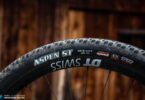
Schwalbe are sure to have the right tire for your bike. Offering a huge selection with everything from commuter to cross country all the way to downhill tires, the traditional German brand has got the right tool for the job. Across all the mountain bike tyres we tested, the Schwalbe options consistently measured wider than their stated size. We found that a 2.35″ Schwalbe tire was usually just as wide as a 2.4″ from other brands
Here you’ll find everything you need about mtb tires: The Best Mountain Bike Tire – We had them all!
Casing
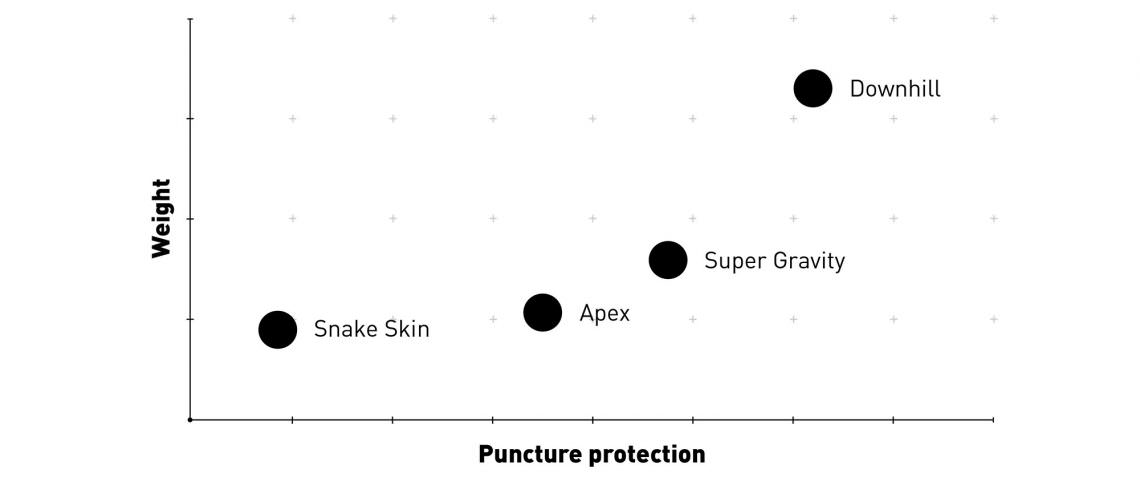
Schwalbe have obviously taken note of our criticism towards their casings and added one more option to the line-up. Moreover, they’ve revised and renamed all other options. Instead of SnakeSkin TLE, Apex and co., their 5 high-end MTB casings are now called Super Race, Super Ground, Super Trail, Super Gravity and Super Downhill. In most cases, the name suggests the recommended field of application, making it easier to choose the right casing. Super Ground is the revised version of the SnakeSkin TLE. Despite the changes, however, we find that it’s still too thin and weak for hard enduro riding and in some cases even for demanding trail applications. Super Race is even lighter and, above all, visually very appealing, as it’s also available with tan-walls. But since this type of casing only makes sense for CC race bikes, it’s not included into our group test. On wider 2.6” and 2.8” models, the Apex casing was replaced with the new Super Trail casing, which is also available on a number of slimmer tires. The two casing options for tough terrain have undergone only minor changes: Schwalbe’s downhill tires are now foldable and called Super Downhill. All new casings rely on a chafer that lies directly against the tire bead and helps with the tubeless compatibility. Above all, this is meant to prevent friction on the tire section that’s in direct contact with the rim, for example when the bead slips slightly under hard braking or with harsh cornering manoeuvres.
Super Ground
While there are even lighter casings in Schwalbe’s portfolio, the Super Ground is the thinnest we would go for enduro and trail riding. The entire structure of the three-ply casing is covered by a Snake Skin insert. This protects the sidewalls against cuts and prevents the tire from losing air, even without tire sealant. Still, the casing is simply too thin for demanding trail use. Riders that weigh more than 80 kg are bound to suffer pinch flats on the rear wheel On the other hand, lightweight riders will likely benefit from the reduced rolling resistance and weight and should get along well with the Super Ground casing up front.
Super Trail
With the new Super Trail casing, Schwalbe finally bridged the gap between the puncture-proof Super Gravity and lightweight Super Ground casings. It shares the same construction as the Super Trail with the addition of a sturdy Apex insert in the side wall, which is meant to improve puncture resistance. The Super Trail casing is an interesting option for trail riders, because it strikes a good compromise between the lighter weight of the Super Ground casing and the improved puncture protection of the Super Gravity. This also becomes evident in a direct comparison with the EXO+ casing from MAXXIS, which is in the same weight range as Super Trail but struggles to match its superb puncture resistance.
Super Gravity
If you want to play it safe, you can’t go wrong with the Super Gravity casing on your enduro rig. In terms of puncture protection, the Super Gravity is hard to beat, but also correspondingly heavier. Compared to the Super Trail, the extra weight of the Super Gravity is mainly due to the additional fourth layer of the casing. Lighter riders can also use it for downhill on the front wheel. In direct comparison with MAXXIS Double Down or Kendas AGC, the Super Gravity casing is slightly stiffer and provides less internal damping.
Super downhill
Schwalbe’s new downhill casing doesn’t seem to get impressed easily, still standing strong after enduring countless messed-up lines through rough rock gardens with low tire pressures. With this much additional material, however, it’s also a lot heavier than most of its competitors. For enduro bikes, this makes only sense for rider who weigh more than 90 kg and have an aggressive riding style. In other words, unless you’re heavy or own a downhill bike, you’re better off trying the Super Gravity casing. The Super Downhill is Schwalbe’s first downhill casing with folding bead and is therefore easier to set up as tubeless compared with the wired version. In contrast to the Super Gravity, the new Super Downhill version features a sturdier Apex insert, which in this case is made of two different materials. In addition, the Super Downhill casing has a six-ply casing.
Rubber compounds
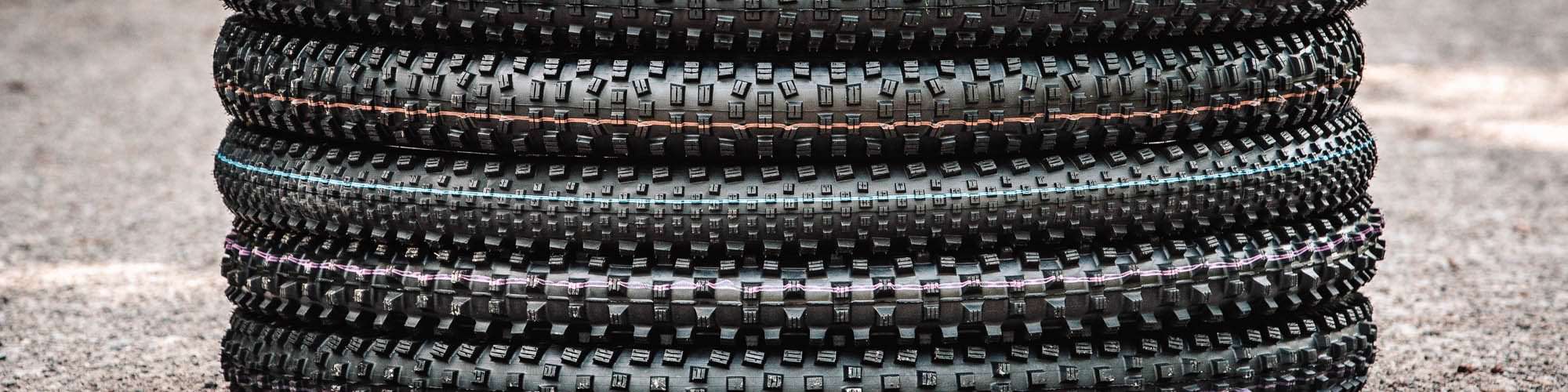
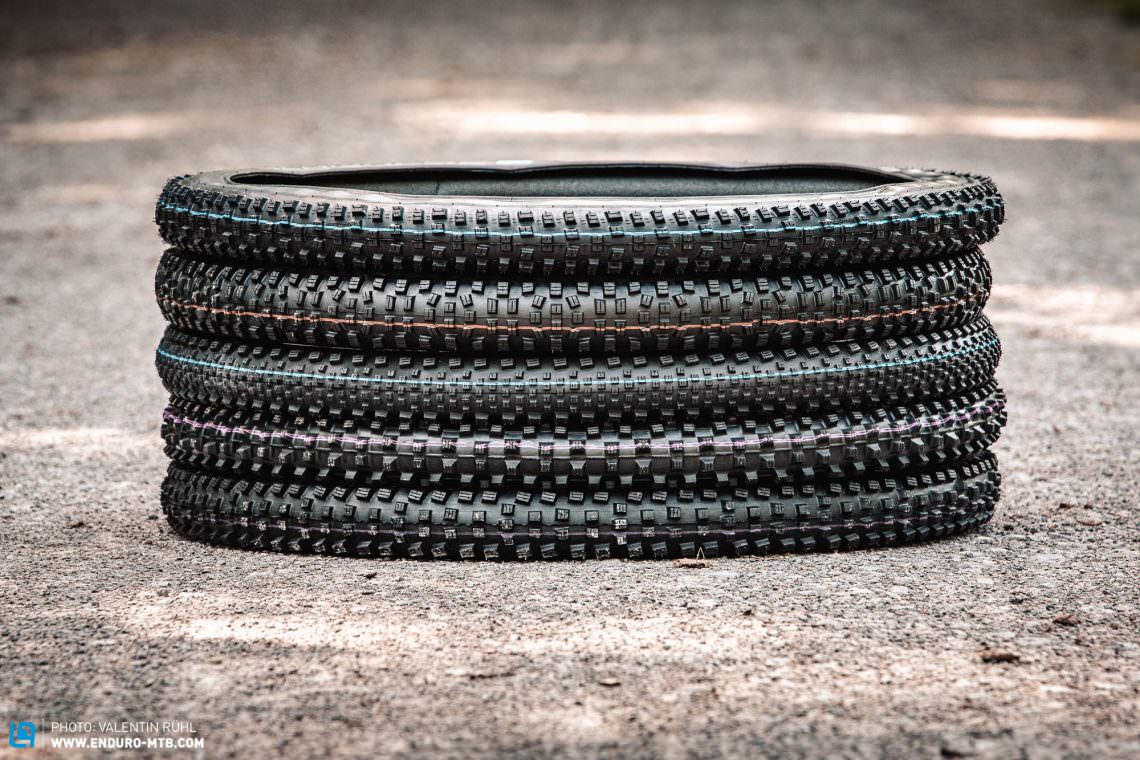
For the high-end Evolution range, tires are offered with one of Schwalbe’s range of four Addix rubber compounds. The hardest and fastest-rolling Addix compound, Addix Speed, is only used for cross country tires. For Trail and Enduro bikes, you can choose between Speedgrip, Soft and Ultra Soft. The rubber compound is easy to distinguish by the coloured stripe in the tread.
ADDIX Speedgrip
Addix Speedgrip has one huge advantage over the softer compounds. The blue-striped tires are a lot harder wearing and roll faster. If you typically only ride in good weather anyway, the Addix Speedgrip compound is a good option for longer lasting tires that’ll go easy on your wallet. Up front, Addix Speedgrip is for skilled riders and those with a hankering for endless gravel climbs only. Personally, we never use a Speedgrip tire on the front, preferring something with more grip.
ADDIX Soft
The Addix Soft triple compound is Schwalbe’s universal blend and performs well on almost any bike. It offers a good compromise between grip and rolling resistance on an Enduro bike for both the front and rear wheels, and it makes for a grippy front tire on a Trail bike. Incidentally, the rolling resistance is comparable to MAXXIS’ 3C MaxxTerra compound. If you want a compound with which you’ll be able to enjoy the trails all year round in all conditions, Schwalbe’s orange-striped tire is a good choice. Whether on the front or the rear: Addix Soft always works well.
ADDIX Ultra Soft
The downhillers darling: the purple-striped Addix Ultra Soft is the softest rubber compound and is primarily used for Schwalbe’s downhill tires. It is also available on some Super Gravity tires, where it is ideally suited as a front tire on an Enduro bike. In terms of grip, it’s hard to beat in the wet, but the rolling resistance is correspondingly high. An Addix Ultra Soft tire on the rear of your bike will quickly drain your legs and the tread won’t last long either.
Tread pattern
While Schwalbe boasts an impressive selection of tires, bicycle manufacturers always seem to be using the same three models: the Magic Mary, Hans Dampf and Nobby Nic. Now with the new version of the Big Betty, this trend will change soon. Designed as a fast-rolling gravity tire, it offers plenty of lateral support and superb braking traction – in other words, the optimal rear tire for enduro and downhill bikes. Alongside manyproven all-rounders, Schwalbe also offer a number of condition-specific tires, like the Dirty Dan for muddy terrain and Rock Razor for extremely dry conditions.
Tacky Chan
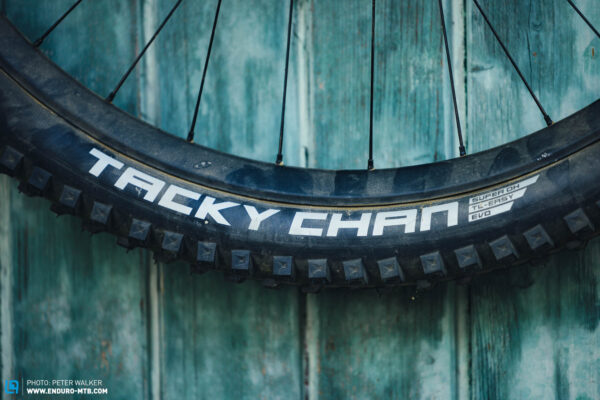
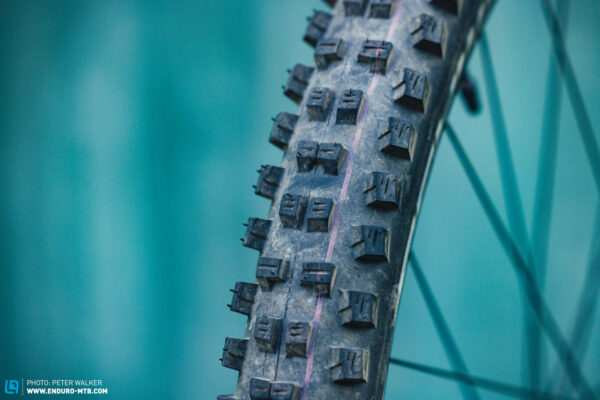
The Schwalbe Tacky Chan is the latest creation of the venerable German tire brand, and was designed for tough downhill and enduro riding. The total lack of transition knobs ensures good self-cleaning qualities and a predictable break-away point in corners, which makes it easy to control and drift, especially in the threshold zone between grip and slide. The shoulder knobs generate tons of traction, and the Tacky Chan only unfolds its true potential when actively pushed to the limit. Unfortunately, it’s only available in a few casing/compound combinations, but these are perfectly in line with its field of application, both at the front and rear.
Magic Mary
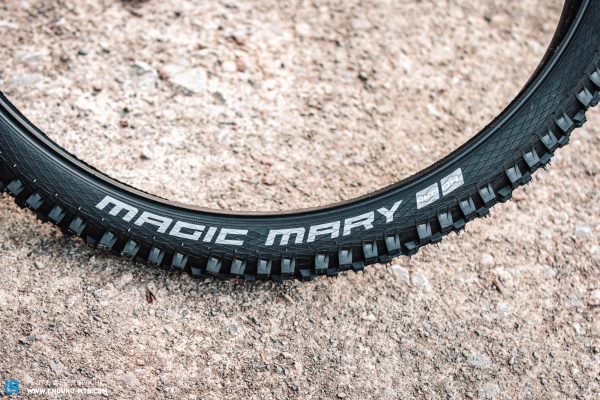
Magic Mary is a favourite amongst gravity riders. With its massive shoulder knobs, the aggressive tread pattern generates outstanding cornering grip on soft ground while offering good braking traction and self-cleaning properties – and compared to the Dirty Dan, it doesn’t squirm on rocky terrain or hard-packed trails. To fill the gap in their portfolio, Schwalbe released the Mary in 2.35″, 2.4″ and 2.6″, with casing options from Super Trail all the way to Super Downhill. There’s also a new version with Super Gravity casing and ADDIX Ultra Soft compound, which works incredibly well as a front tire for enduro bikes.
Big Betty
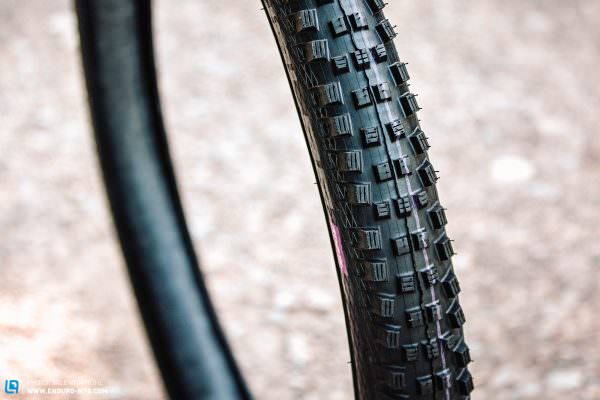
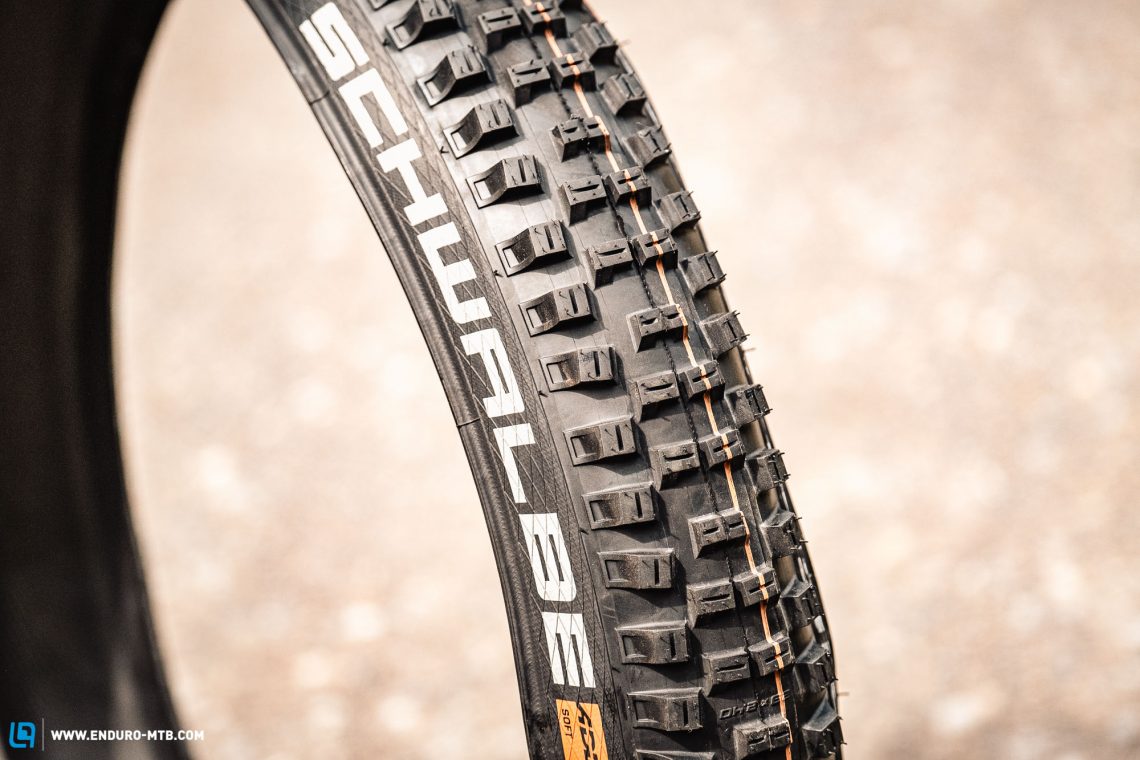
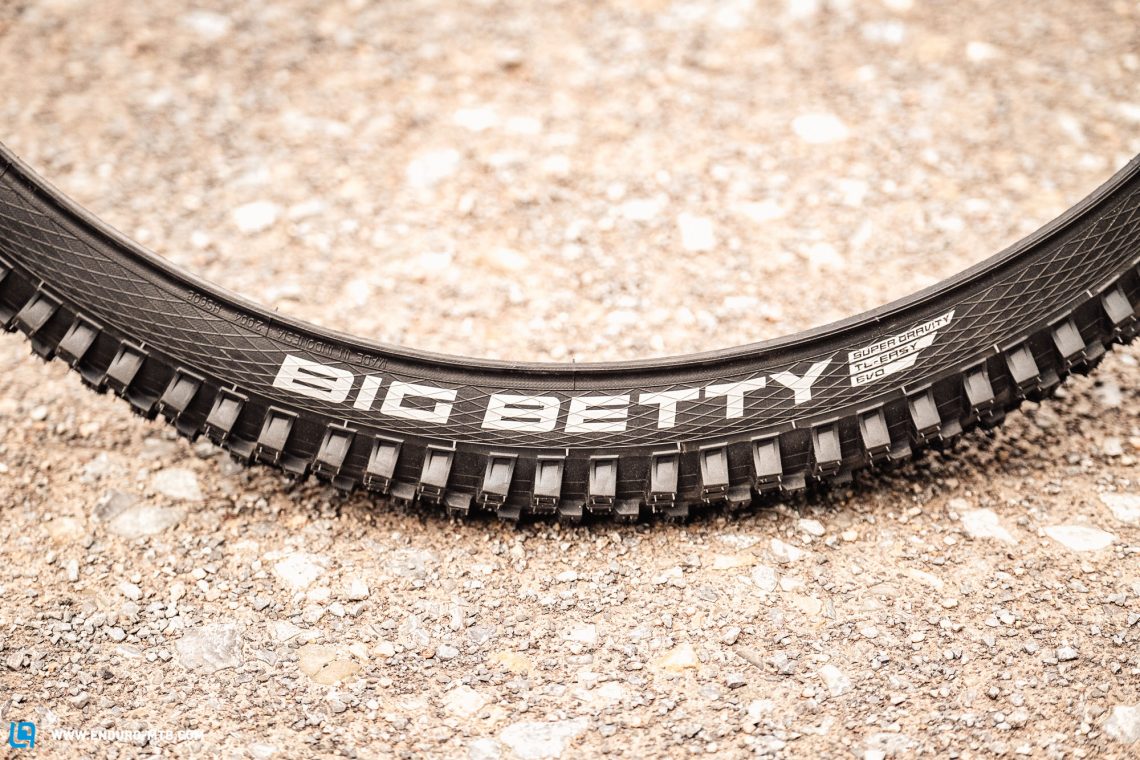
The latest addition to Schwalbe’s portfolio is the updated version of a true gravity classic. However, apart from the supported centre knobs and the name, the new Big Betty doesn’t have much in common with its predecessor. To strike an optimal balance between low rolling resistance and top braking traction, Schwalbe relied on elongated lug-edges which are positioned transversely to the direction of rotation. As you’d expect from an aggressive gravity tire, the shoulder knobs are massive and – also thanks to the big gaps between the lugs – dig deep into the trail even in dry conditions. Compared to the Magic Mary, however, the knobs of the big Betty are not as well supported and tend to buckle sooner, which means you can easily drift through a tight corner without even pulling the rear brake. In other words, the Big Betty is not the ideal option for the front wheel. Instead, we recommend it as a rear tire combined with a Magic Mary up front – for downhill, enduro and even rowdy trail sessions.
Hans Dampf
The Hans Dampf is Schwalbe’s all-round tire. The closely spaced tread pattern provides a good compromise between rolling resistance and traction on technical climbs. It works well as both a front and back tire on a Trail bike. The pronounced transition knobs create a round profile that makes cornering predictable at every angle. This tire doesn’t track quite as well as the Magic Mary, but that makes it easier to drift in a controlled manner. In berms, the shoulder knobs withstand the forces of the tightest corners, which makes Hans Dampf an interesting rear wheel option for bike park rats. By the way, the tread pattern is bidirectional, so if you want to save some money you can turn it around after a few weeks, giving you fresh, unworn edges that bite into the ground for that new tyre feeling.

Nobby Nic
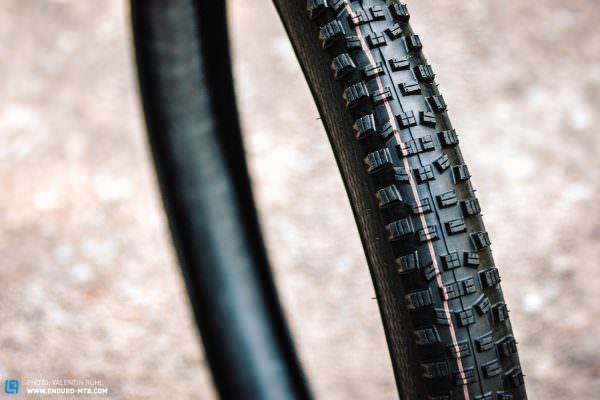
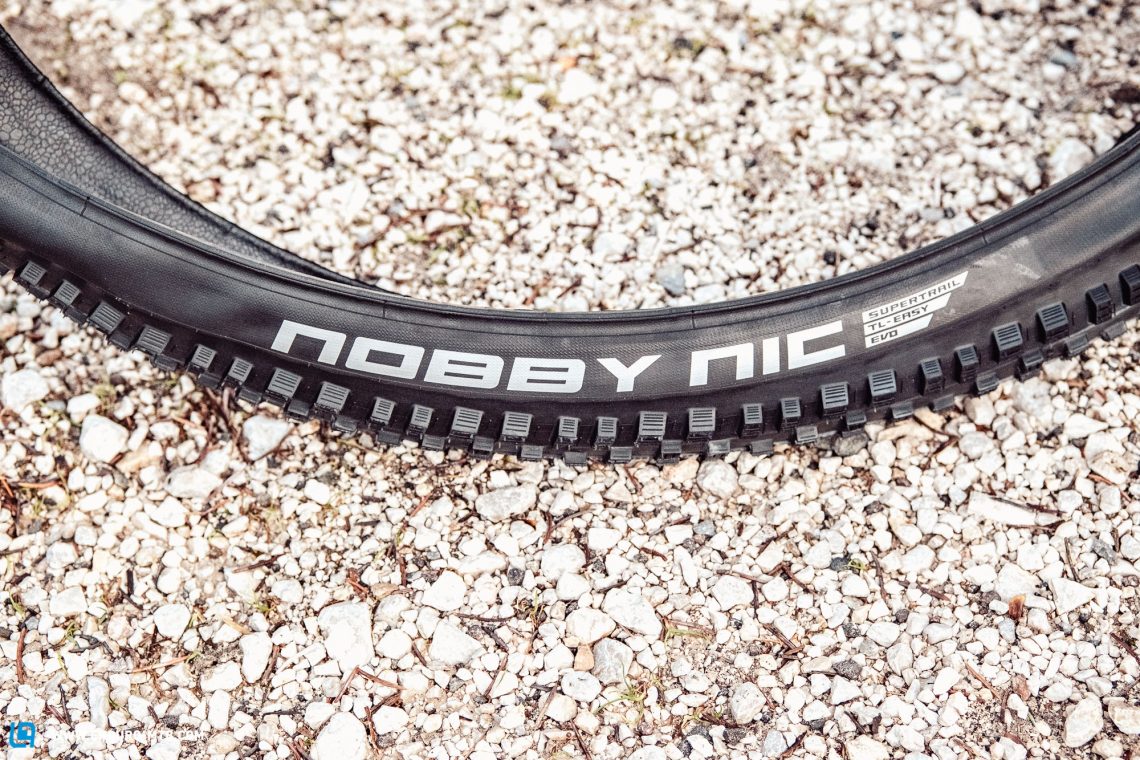
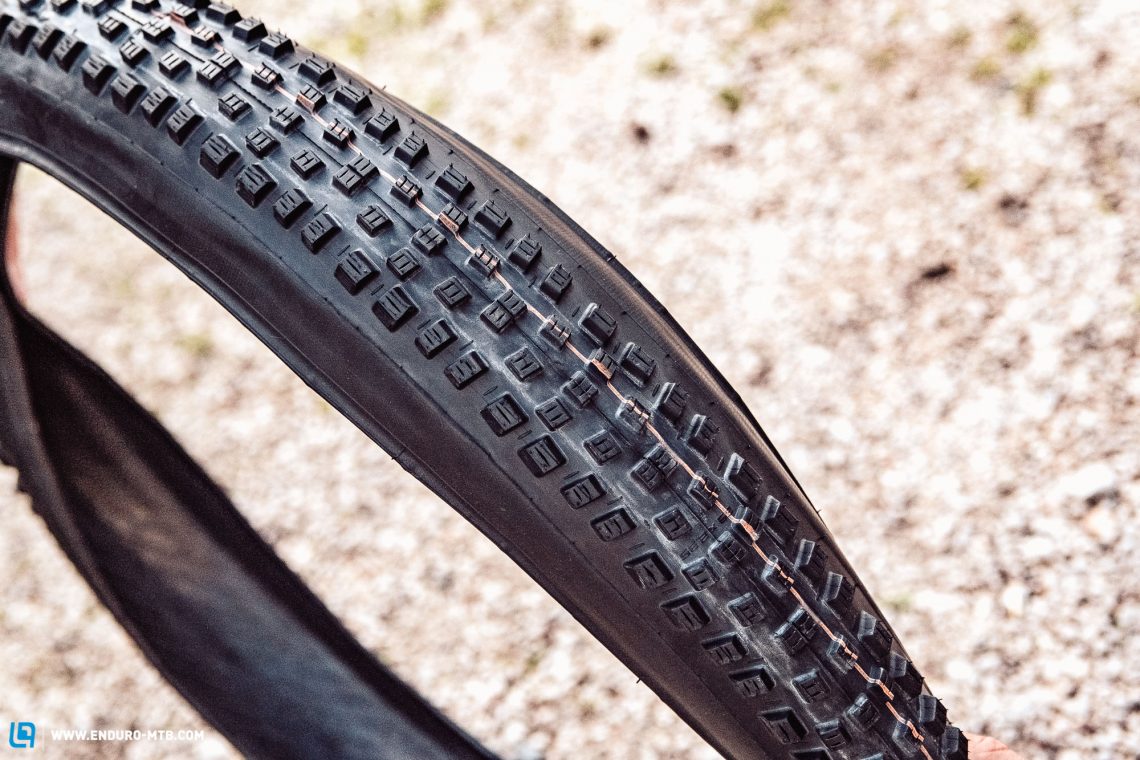
The latest rendition of the Nobby Nic extends the area of application of Schwalbe’s legendary trail tire enormously. The new profile is more aggressive, which becomes evident under braking – in this respect the Nobby Nic is slowly closing up with the Hans Dampf. However, the biggest changes are in the shoulder knobs, which are now more supported and not as widely staggered. As a result, the Nobby Nic ensures good, well-defined cornering traction while the three rows of centre lugs that reach far into the shoulder knobs allow you to lean into corners intuitively and without losing grip. From now on, Schwalbe’s classic trail tire will be available in Super Trail casing and both Addix Speedgrip and Addix Soft compounds. It can be used both as a front (Addix Soft) and rear tire (ADDIX Speedgrip) for touring bikes or as a fast rolling rear tire for trail bikes with the Super Trail casing and ADDIX soft compound.
Dirty Dan
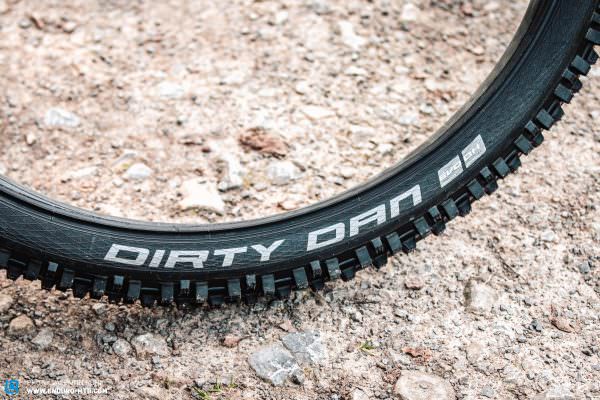
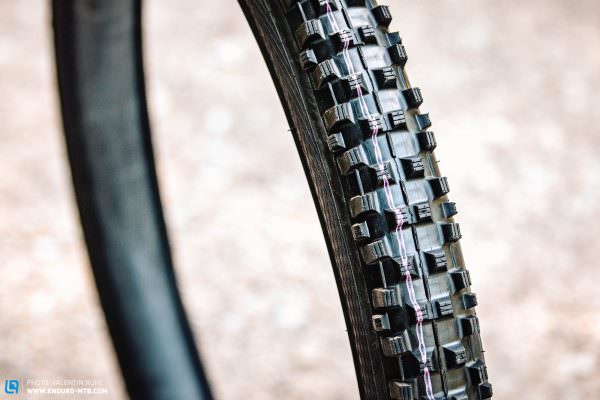
As the name implies, you’re meant to get dirty with the Dirty Dan. The aggressive and widely-spaced knobs on this mud tire dig into soft ground but effectively shed mud that could bring your ride to a grinding halt. The tire offers a lot of traction and precision on wet roots too. However, as soon as you run into rock slabs or hard ground, you have to be cautious. The tall shoulder and centre knobs deform quite a lot the handling becomes vague. Rolling resistance is very high too, so we would only recommend this tire for the front.
Rock Razor
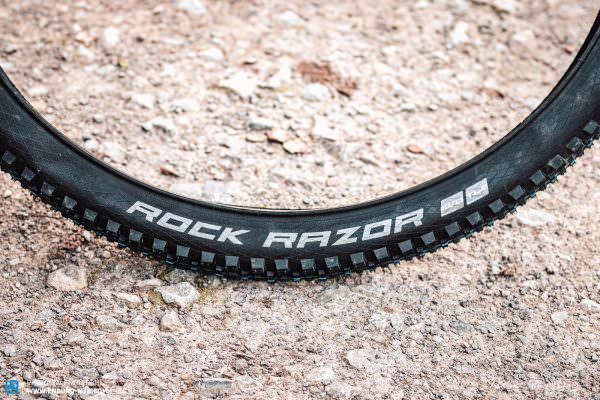
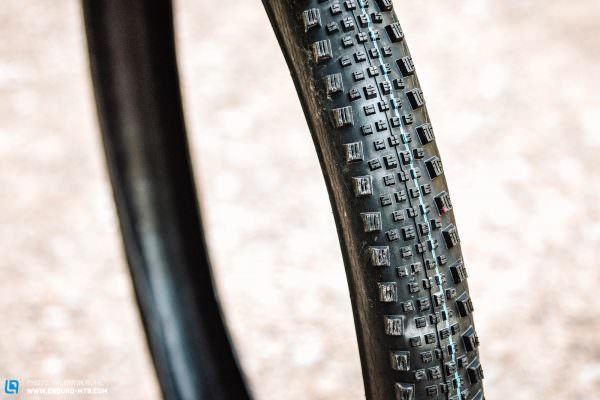
Rear wheel only! With this semi-slick tire, you’ll fly up the climbs. Don’t be fooled by the minimalistic centre tread – on hard ground, the large contact area generates a lot of traction. The shoulder knobs are slightly smaller and flatter than the Magic Mary but still grip well in the corners. Their smaller size means they’re also less prone to squirming in berms. Leaning the tire onto the shoulder knobs is consistent and controllable thanks to the tiny transition knobs. However, even the best riders will end up fighting the Rock Razor in muddy conditions. It only makes sense you if you live in a dry climate or regularly swap your tires to suit the conditions. Another point of criticism is that the 29″ model is only available in the fragile Snakeskin version.
Wicked Will
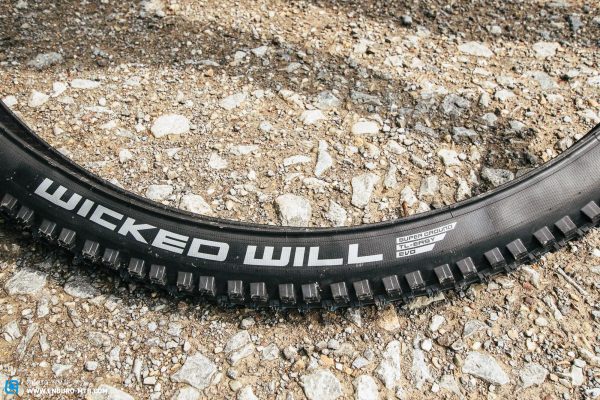
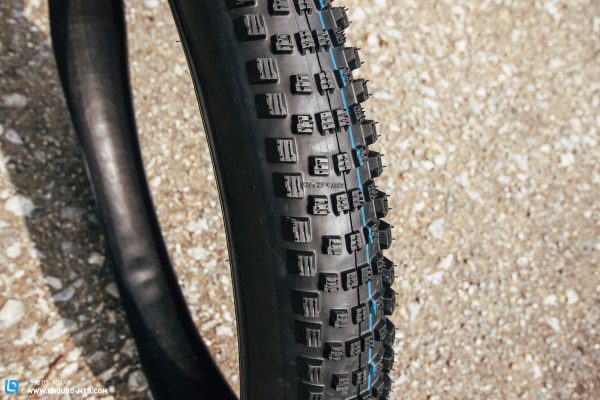
The Wicked Will is the reincarnation of a classic, though it used to be an uncompromising downhill and freeride tire and is now the complete opposite. Can you have fun with less aggressive tread? The Wicked Will closes the gap between the semi-slick Rock Razor and the Nobby Nic or Hans Dampf. In contrast to the Nobby Nic, it features a more closed tread pattern and rolls faster on the climbs and flat terrain. On the other hand, the shoulder knobs are almost identical, which means the Wicked Will feels just as defined in the corners as the Nobby Nic. However, the flat-profiled Wicked Will lacks grip in the rain despite its good self-cleaning properties due to the fact that it’s exclusively available in the hard ADDIX Speedgrip rubber compound. Heavier riders will also have to look elsewhere for the time being as the thin-walled Super Ground casing doesn’t offer adequate puncture protection. It’s a shame because the Wicked Will works great on the rear of snappy and fast down-country bikes combined with a Nobby Nic or Hans Dampf up front.
Our recommendations
Enduro – all-round (f/r): Magic Mary, ADDIX Ultra Soft, Super Gravity / Big Betty, ADDIX Soft, Super Gravity
Trail – grip (f/r): Magic Mary, ADDIX Soft, Super Trail / Hans Dampf, ADDIX Soft, Super Gravity
Trail – fast rolling (f/r): Magic Mary, ADDIX Soft, Super Trail / Nobby Nic, ADDIX Soft, Super Trail
For more information head to schwalbe.com
Our big ENDURO group test at a glance
Here you’ll find everything you need about mtb tires: The Best Mountain Bike Tire – We had them all!
All the models in test




Did you enjoy this article? If so, we would be stoked if you decide to support us with a monthly contribution. By becoming a supporter of ENDURO, you will help secure a sustainable future for high-quality mountain bike journalism. Click here to learn more.
Words: Photos: Valentin Rühl